Sowing and timing
Cool Flowers and Hot Flowers: What to Sow First in Any Zone
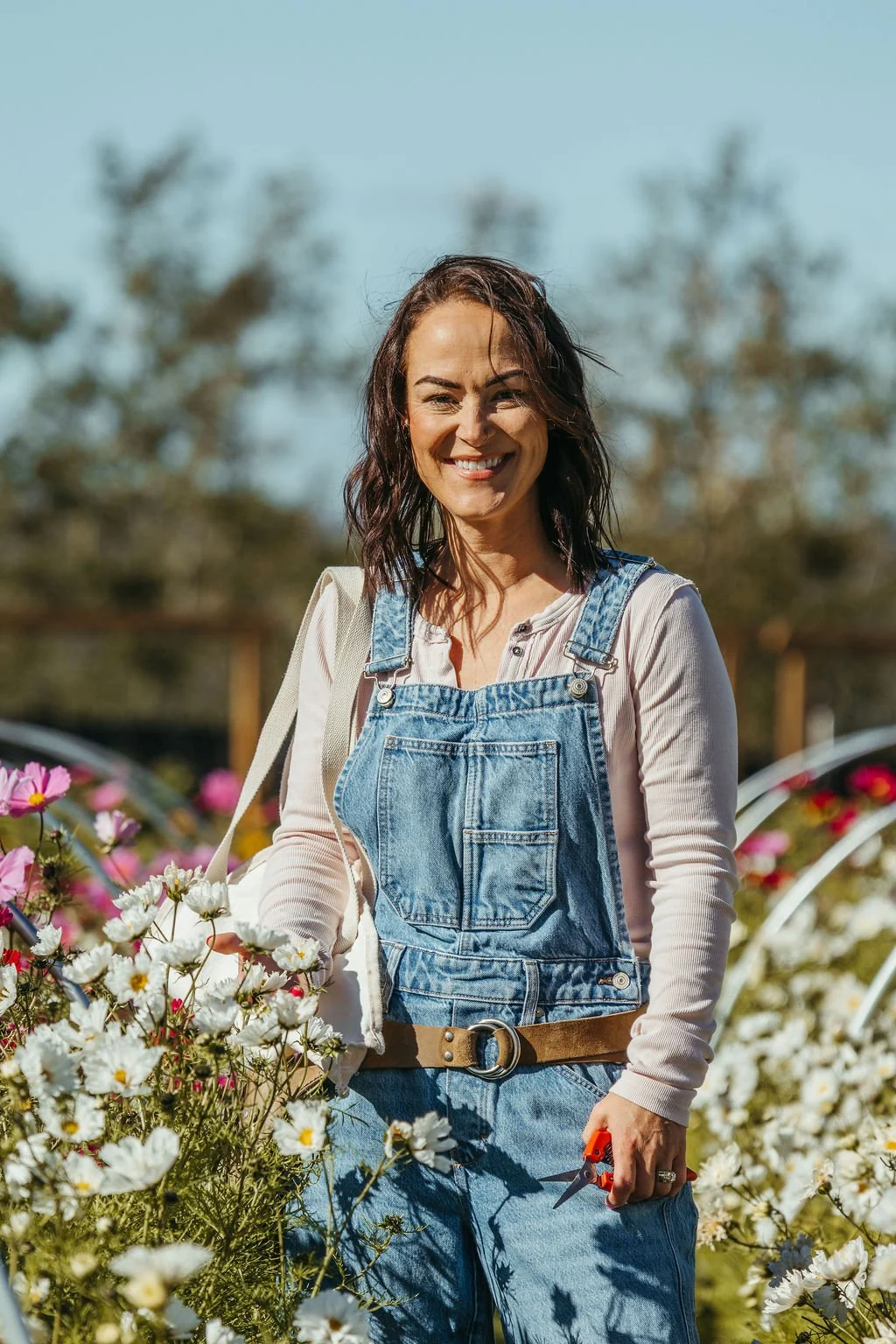
I got the order right in my first season, and I believe that research is a big part of why my flower farm worked in year one and year two, when people thought it wouldn't. But it came at a cost. I listened to podcasts, researched until 1 a.m., took notes and made my calendars on paper, in pencil, so I could erase and change things. So much messing around! It cost me my time, my family life, my social life and my personal life. I lived and breathed flower farm research. Here's the research behind the order, so you don't have to give up your evenings to find it.
Why do cool flowers have to go first?
Because heat ends their season. Cool flowers grow happily in chilly spring weather, but their stems get shorter and weaker once summer heat arrives. The earlier they start, the longer they get to grow in the cool weather they love. (If you need a refresher on the cool, in-between and hot flower groups, start with How to Plan a Cut Flower Garden Around Your Frost Dates.)
The research on this is clear. At Utah State University, Maegen Lewis, Melanie Stock and their team grew sweet peas as a cut flower in North Logan, Utah. They found sweet peas need soil and air "to remain below 80°F," and harvest lasts only "until hot summer temperatures decrease stem length and quality." Planting date made a huge difference. They wrote that early planting dates "significantly improve stem marketability," and from their late planting, only 23% of the stems were good enough to sell.
The same team found snapdragons give their "highest quality stems" in cool temperatures. They also explain that snapdragons come in groups that bloom at different times of year, and by planting more than one group at staggered times, good stems can last up to 21 weeks.
What happens to cool flowers in the heat?
They stop blooming or give you short stems. University of Florida IFAS trialled flowers in containers in central Florida from October 2023 to June 2024. Their snapdragons flowered well from fall into spring until June, when "rising temperatures began to impede development." Stock thrived in the cool months, but its performance "significantly declines in the hot summer months."
LSU AgCenter in Louisiana puts it even more plainly. Stock planted in spring will "produce short, unsaleable flowers in warm weather," because it needs a long cold period before it will flower at all. Their fall-planted cool flowers all need temperatures under 55°F to start making flowers.
Three states, one lesson: cool flowers need cool weather, and lots of it.
Why do hot flowers wait?
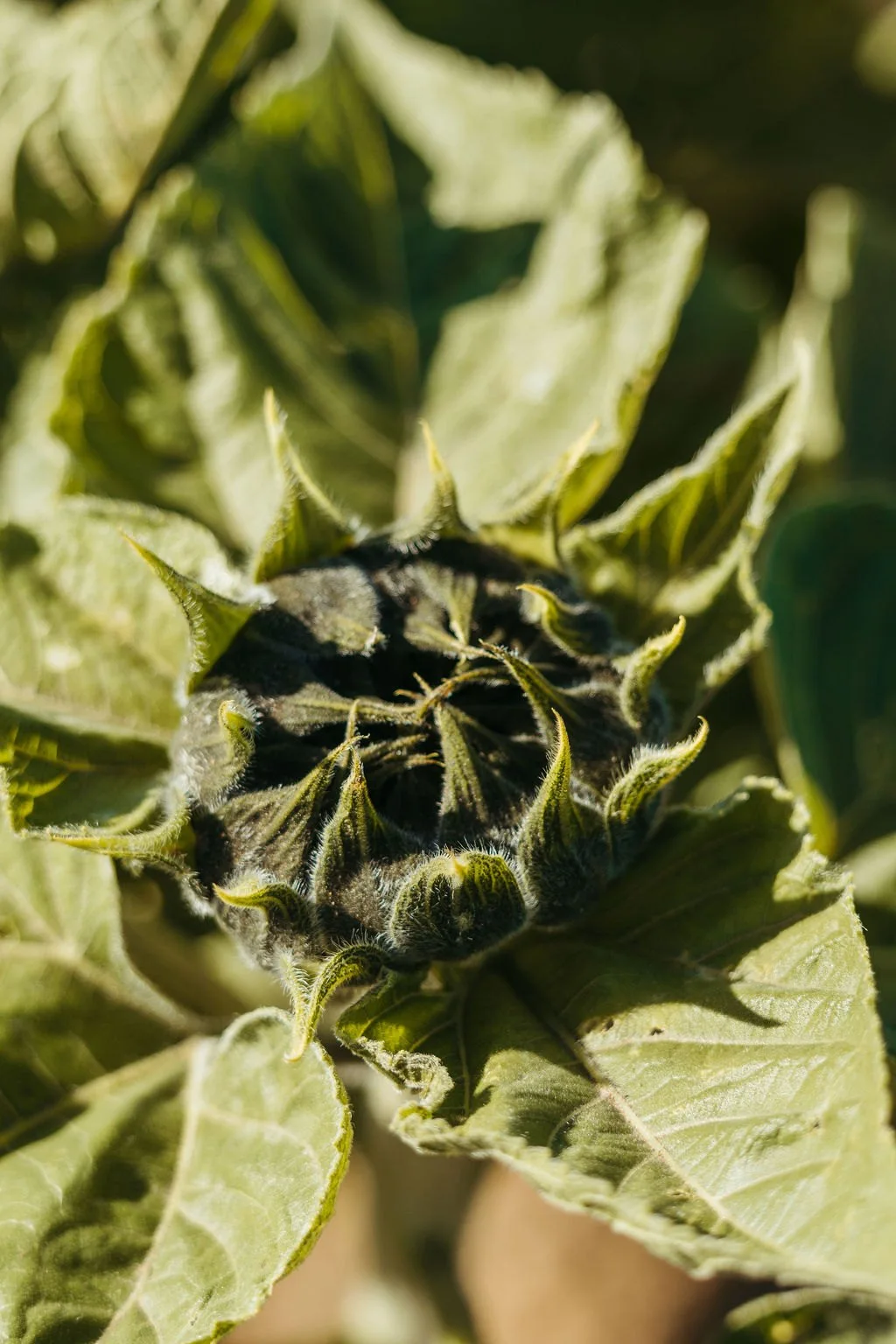
Because they need warmth from the very start. Iowa State University Extension lists the best temperature for sprouting seeds: 70°F for zinnias, cosmos and sunflowers, and 70 to 75°F for celosia. Those are air temperatures for starting seeds indoors. Outside, hot flowers need warm soil and warm air too, which is why they go out on or after your last frost date (more on that in How to Plan a Cut Flower Garden Around Your Frost Dates). Iowa State also notes that sunflowers don't transplant well, which is why they're usually sown straight into the bed once it warms up.
Starting hot flowers early doesn't help. They need warmth to grow, and because hot flowers can't take any frost, one late frost can take them out completely.
So what's the sowing order?
- Cool flowers first. Snapdragons, stock and sweet peas get started early, and some, like larkspur and bachelor's buttons, do best sown straight into the bed.
- In-between flowers next. Strawflower and statice handle cool weather but not frost, so they go out close to your last frost date.
- Hot flowers last. Zinnias, cosmos, celosia and sunflowers wait for warm soil and warm air.
For exactly how many weeks to count back for each one, see When to Start Cut Flower Seeds: Count Back From Your Plant-Out Date.
Does the order change by zone?
The order stays the same everywhere. What changes is the season your cool flowers grow in.
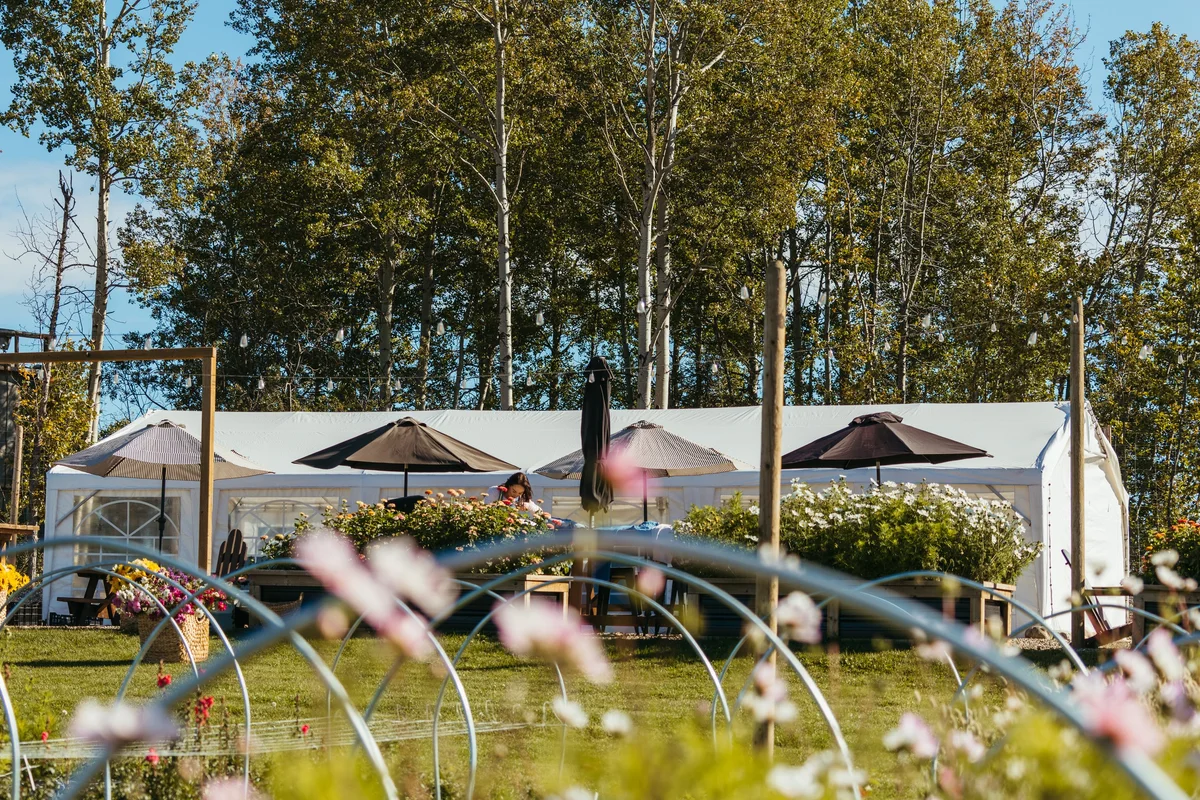
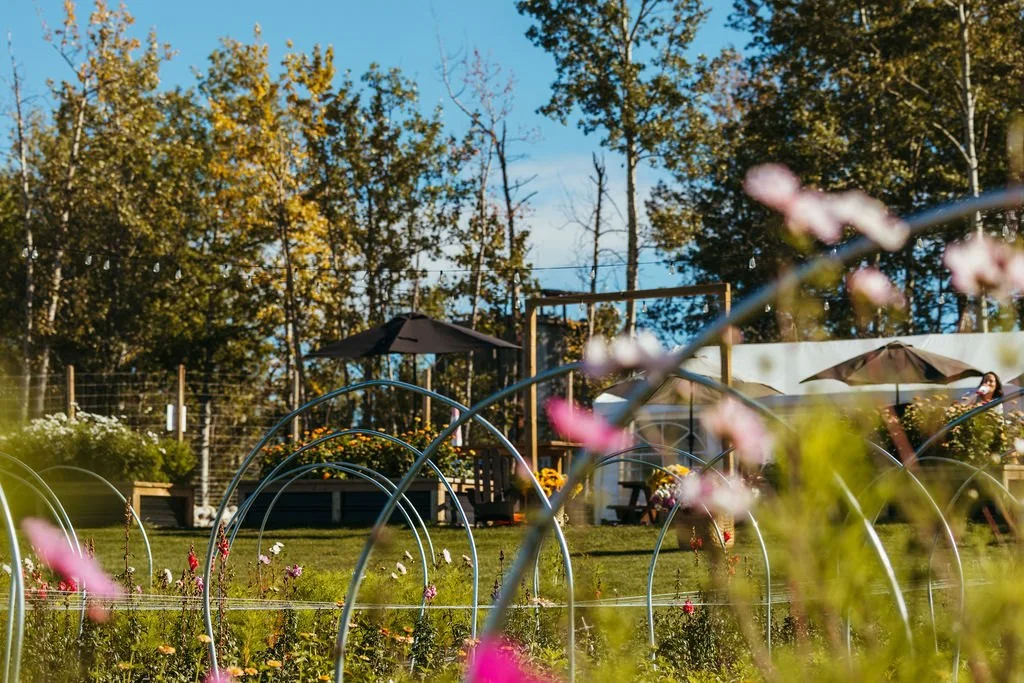
In cold zones like mine, cool flowers go out in early spring, a few weeks before the last frost, and hot flowers go out after it. Our summers are short, but not always cool. We can have very hot stretches over 30°C, just never all summer, and our snapdragons were still blooming under the hoops on September 16. You can see the real dates I use in Charlie Lake on The Farm Journal: When to Start Cut Flower Seeds in Zone 3.
In the middle zones, you have a choice. Cool flowers can go out in early spring, or many can be sown in fall instead. Penn State Extension times fall sowing of hardy annuals about six weeks before the first fall frost, so they're already growing when the cool spring arrives.
In warm zones, cool flowers are a fall and winter crop. In Florida, snapdragons and stock flourish from fall through early spring. In Louisiana, LSU AgCenter says fall sowings are best, and spring sowings give shorter, less robust flowers. Hot flowers take over once the heat arrives.
But even the research doesn't fit every garden. Utah State's trials ran in a hot, dry climate, and heat and insects still limited their sweet peas once summer arrived. If your spring heats up fast, give your cool flowers the earliest start you can, and use a high tunnel if you have one. Utah State found their tunnel got sweet peas blooming 4 weeks earlier.
Cory's take
The research I've done says the order is the easy part. The hard part is knowing which group every single flower belongs to, and keeping track of it all. In my first year that meant notes, pencil calendars and a lot of erasing.
My strong opinion? Sort your seed list into cool, in-between and hot before you plan anything else. Once every flower has its group, the order of your season falls into place. Doing that sorting by hand, flower by flower, cost me time with my family. That's one of the reasons I created Stemwise, so you can have the answers and keep your evenings.
Join the waitlist
Stemwise is a cut flower planning app made for where YOU grow. Join the Stemwise waitlist and you'll be the first to know when it opens.
Sources and further reading
- Maegen Lewis, Melanie Stock, Tiffany Maughan, Dan Drost and Brent Black, Utah State University Extension, "Sweet Pea Cut Flower Production in Utah," 2019. https://digitalcommons.usu.edu/extension_curall/2063
- Maegen Lewis, Melanie Stock, Tiffany Maughan, Brent Black and Dan Drost, Utah State University Extension, "Snapdragon Cut Flower Production in Utah," 2021. https://digitalcommons.usu.edu/extension_curall/2187
- Nicholas Rabanal, Hannah Moribe, Chi Dinh Nguyen and Heqiang Huo, University of Florida IFAS Extension, "Container Flowers for Central Florida: Trial Results and Recommendations," EP652. https://edis.ifas.ufl.edu/publication/EP652
- LSU AgCenter, "Field-grown cut flowers for Louisiana: Annuals." https://www.lsuagcenter.com/topics/lawn_garden/ornamentals/floriculture/cut_flowers/field-grown-cut-flowers-for-louisiana/annuals
- Lois Miklas, Penn State Extension, "How Hardy Are Your Annuals?", updated 2024. https://extension.psu.edu/how-hardy-are-your-annuals
- Richard Jauron and Aaron Steil, Iowa State University Extension and Outreach, "Germination Requirements for Annuals and Vegetables," reviewed 2023. https://yardandgarden.extension.iastate.edu/how-to/germination-requirements-annuals-and-vegetables
Questions growers ask
What's the difference between cool flowers and hot flowers?
Cool flowers grow and bloom best in cool weather and can handle light frost. Hot flowers need warm soil and warm air and can't take any frost. In-between flowers fall in the middle.
Which cut flowers should I sow first?
Your cool flowers, like snapdragons, stock and sweet peas. Utah State University Extension found that early planting gives sweet peas a longer stretch of cool weather and more stems worth cutting.
Why are my sweet peas short and done by midsummer?
Heat. Utah State University Extension found sweet peas need temperatures below 80°F, and hot summer weather shortens their stems and lowers their quality. Plant them as early as your zone allows.
Should I start zinnias early to get a head start?
No. Zinnias sprout best at about 70°F, according to Iowa State University Extension, and they can't take any frost. Starting them early just leaves them waiting for warm weather.
Can I grow cool flowers in a hot climate?
Yes, in the cool part of your year. In Florida and Louisiana, extension trials show cool flowers like snapdragons and stock do best planted in fall and blooming through winter and spring.
About the author
Cory Franklin
Cory Franklin grows cut flowers in zone 3 in northern BC.